Apply the best ecommerce checkout practices to reduce cart abandonment, build buyer confidence, and turn more mobile visits into completed sales online.


Apply the best ecommerce checkout practices to reduce cart abandonment, build buyer confidence, and turn more mobile visits into completed sales online.

Learn why ecommerce carts are abandoned and how faster checkout, clear costs, trust signals, and mobile performance can recover more revenue for your store

Find the best ecommerce platform for startups by comparing cost, flexibility, payments, SEO, and growth features that protect your budget from day one.

Get ecommerce development UAE businesses can scale with: fast mobile stores, secure payments, smart integrations, and conversion-focused design that sells.

If you pay close attention to how people in the UAE shop today, the first thing which you notice is mobile phone is the main channel. People are buying from anywhere anytime, from a taxi ride in Dubai to late night orders in Abu Dhabi. Majority of consumers are using phones at every stage of buying. The vast user of cell-phones pushed businesses to rethink how they design and build online stores. That’s exactly why mobile-first e-commerce websites are winning in the UAE.
The websites that are designed for desktop and later on adjusted for mobile-friendly sometimes face errors, slow loading, and a bad user experience. On the other hand, e-commerce focuses on smartphone experience from the very first beginning, which results in fast loading, better user experience, high conversions and stronger customer retention.
In this blog, we’ll break down why mobile e-commerce in UAE is growing so rapidly, how mobile-first design outperforms traditional approaches, and what e-commerce businesses must do to stay competitive in a mobile-driven market like Dubai.
Buying or selling products or services through mobile devices such as smartphones and tablets is often considered M-commerce. This category includes shopping via mobile-optimized websites, purchases through e-commerce mobile apps and payments through mobile wallets like Apple Pay, Google Pay, and local solutions. In the UAE market, M-commerce isn’t just growing it’s dominating.
The factors like extremely high smartphone penetration, fast mobile internet and 5G adoption, a young tech-savvy population, strong digital payment infrastructure and high trust in online shopping. Because of this, mobile e-commerce UAE trends differ from many other regions. Customers expect speed, simplicity, and premium experiences , especially on mobile. If your e-commerce website isn’t optimized for mobile-first usage, you’re not just behind you’re invisible to a large segment of your audience.
Majority of businesses assume that having a website is enough but, they don’t know the key difference between mobile-friendly and mobile-first. It’sa bit crinky. Those who are aware of these terms still confuse them. Let me explain you in simple words, so you will know the difference. Basically, mobile-friendly means a website is adjusted to run, in simple to be friend with your mobile phones but not your mobile’s best friend it’s just like your relatives trying to poke their nose in your affairs. On the other hand, mobile-first we assume from the name that something in which mobile came first. In simple it’s a website specially designed for mobile users first, then scaled up for larger screens.
e-commerce websites prioritize:
This approach aligns perfectly with how UAE customers actually shop online.
Most of the e-commerce websites in Dubai and across the UAE receive more than 65–75% of their traffic from mobile devices. In some industries like fashion, beauty, food delivery, and electronics the number of traffic is even higher. When the majority of your visitors are mobile users then designing for desktop first simply doesn’t make sense.
A mobile-first e-commerce strategy ensures:
This directly impacts your revenue.
Google now uses first indexing, meaning it evaluates your website based on its mobile version not desktop. For e-commerce businesses targeting Mobile e-commerce UAE keywords, this is critical. A mobile-first website helps you rank better in UAE-based search results, improve core web vitals scores, reduce technical SEO issues and deliver faster page speeds on mobile. Simply put, SEO and mobile-first e-commerce go hand in hand.
UAE consumers are used to premium digital experiences from ride-hailing apps to banking platforms. That expectation carries over to e-commerce. If your mobile website takes too long to load, has cluttered navigation, forces users to zoom or scroll excessively, or has complicated checkout steps. You are losing the sale. Mobile-first e-commerce websites remove friction by design. Everything is intentional, minimal, and optimized for quick decision-making.
Now the question arises which one is best and what works better in UAE. These are the most common questions among e-commerce brands in Dubai.
Everything in the world have two sides one positive and the other negative. Likewise, mobile apps have advantages like faster performance, better personalization, push notifications and strong brand loyalty. But the negative side, I mean the disadvantages are higher development cost, requires installation and not ideal for first-time users.
A mobile-first e-commerce website win for most businesses because it works instantly without downloads, easier to discover via Google, costs less to maintain than apps and supports SEO and paid ads more effectively. For most businesses especially SMEs and growing brands mobile-first websites deliver the best ROI in the UAE market. Many successful brands later add an app after perfecting their mobile web experience.
UI/UX matters more than ever. In mobile e-commerce, design is not just about looks it’s about behavior. Strong mobile UI/UX focuses on:
In the UAE, where customers have many options, poor UX means instant abandonment.
Some proven mobile UI/UX practices include:
These small details make a huge difference in M-commerce Dubai conversion rates.
You can have a beautifully designed mobile homepage and great product pages, but if your mobile checkout experience is weak, you will lose sales. This is where most e-commerce websites in the UAE struggle. Mobile shoppers in Dubai and across the UAE are decisive. They expect checkout to be fast, secure, simple, minimal and smooth. Every unnecessary step increases abandonment. Mobile-first e-commerce websites are built around checkout simplicity, not as an afterthought but as a core conversion driver.
Many e-commerce websites still use checkout flows originally designed for desktop. On mobile, this creates problems like too many form fields, tiny input boxes, forced account creation, slow page transitions and confusing error messages.
For mobile e-commerce UAE, these issues directly translate into lost revenue. Mobile-first e-commerce design flips the process by asking one question:
What does the user need to do right now?
Here’s what actually works in the UAE market:
UAE customers value speed. Forcing registration kills conversions. Mobile-first websites always prioritize guest checkout.
Reducing checkout to a single scrollable page or 2–3 clear steps keeps users engaged and focused.
The features like autofill enabled, numeric keyboards for phone numbers, clear labels and minimal required fields matter a lot in M-commerce Dubai.
Payment flexibility is a major trust factor in UAE e-commerce. Mobile-first e-commerce websites integrate payment methods that customers are already using in daily life. Popular mobile payment options in the UAE include:
When payment methods seems familiar and friction-less it build users trust and user can confidently purchase.
UAE consumers are highly comfortable with mobile wallets. Apple Pay and Google Pay, in particular, significantly reduce checkout time on mobile. For e-commerce brands, this means:
This is one of the biggest reasons mobile-first e-commerce websites outperform desktop-first platforms in the UAE.
Don’t mind but, it’s a fact that mobile users are a bit impatient than desktop users. A little delay can push your client away. Especially in e-commerce niches speed is the main factor to stand in the race of competition. For mobile e-commerce UAE, speed directly affects:
Mobile-first websites are optimized to load fast even on mobile networks.
Google evaluates your e-commerce website primarily through its mobile version. If your mobile site is slow ranking drops suddenly, visibility decreases, paid ads become more expensive and organic traffic suffers. That’s why mobile-first e-commerce is not just a design choice. It’s an SEO strategy.
Google now crawls and indexes websites based on their mobile experience first. For e-commerce businesses targeting Mobile e-commerce UAE, this changes everything. Mobile-first indexing means:
A poorly optimized mobile site can limit your growth, even if your desktop site looks perfect.
In the UAE, local intent plays a major role in e-commerce searches. People often search with location-based intent like: “online store Dubai”, “buy shoes UAE”, “electronics delivery Dubai”. Mobile-first e-commerce websites are better positioned to capture this traffic because they load faster and provide smoother local browsing experiences.
On mobile, users interact with your store using their thumbs, often while multitasking. Mobile-first e-commerce design respects this behavior. Key UX elements that boost conversions include:
These elements reduce cognitive load and help users move quickly toward purchase.
On smaller screens, trust signals must be visible without clutter. Effective mobile-first e-commerce websites highlight secure payment icons, clear return policies, customer reviews and delivery timelines. This builds confidence and reduces hesitation during checkout.
Mobile commerce in the UAE is not a temporary shift. It’s a long-term behavioral change. Consumers now discover, compare, and purchase products primarily on mobile devices. This applies across industries, from fashion and electronics to groceries and luxury goods. For e-commerce businesses, this means one thing: Mobile-first is no longer an advantage, It’s a requirement. Brands that continue to rely on desktop-first e-commerce strategies are slowly losing relevance in a mobile-dominated market.
The Several factors are accelerating mobile e-commerce UAE growth rising smartphone dependency in daily life, faster mobile internet and 5G expansion, trust in digital payments, same-day and next-day delivery expectations and strong social media influence on buying decisions. Mobile shopping fits naturally into the fast-paced lifestyle of UAE consumers, especially in urban centers like Dubai.
For most e-commerce businesses in the UAE, a website is the smartest starting point because it supports SEO growth, works for new and returning users, integrates easily with ads and social media and requires lower investment. This approach is especially effective for brands which are still building awareness.
Apps work best when you already have strong brand loyalty, customers purchase frequently, push notifications add value and you offer them personalized experiences. Many successful UAE e-commerce brands start with mobile-first websites and later expand into apps.
Social media is considered as a mobile-first sales channel. In the UAE, platforms like Instagram, TikTok, and Snapchat are major traffic sources for e-commerce. Websites convert better from social traffic because of landing pages load faster, navigation is simpler and checkout is optimized for mobile. If your website isn’t mobile-first, social media traffic won’t convert effectively.
From a strategic perspective, mobile-first e-commerce aligns with how people actually live, browse, and buy in the UAE. It reduces friction, improves trust, and delivers better ROI across SEO, paid advertising, social media campaigns and customer experience. That’s why businesses focused on Mobile e-commerce UAE growth are investing heavily in mobile-first platforms.

Having an e-commerce business sounds exciting, right? But do you think just a store is enough with best visuals? If you are thinking like this, then you need to think again. What about e-commerce security in Dubai? An e-commerce site is the biggest responsibility. As the trend of online shopping has skyrocketed, so do cyber threats. From payment frauds to data breaches, e-commerce websites are at the top of the list of hacker targets. That’s why e-commerce security in Dubai is not a second choice; it’s the backbone of e-commerce businesses.
Furthermore, you’re launching a new store or scaling the older one, securing your platform builds trust, protects customer data, and ensures compliance with UAE regulations. In this guide, we’ll walk through top security practices for e-commerce websites in Dubai, focusing on practical, real-world steps rather than technical jargon.
This article is written from a consultant’s perspective, clear, strategic, and actionable, so business owners, founders, and decision-makers can actually apply it.
With high purchasing power, strong logistics infrastructure Dubai has earned the title of e-commerce hub. Because of this growth, Dubai attracts business but cyber-criminals too.
Here’s why security deserves your full attention:
A secure online store in the UAE isn’t just about protecting data. It’s about protecting revenue, reputation, and long-term growth.
Before we jump into solutions you must be aware of what the problems are why you need these solutions. Mostly e-commerce security in Dubai fall a prey into these cyberthreats.
Protecting customers data is a top priority. If a hacker successfully gain access of customer data such as name, address, phone number and payment data the results are more terrible than imagination. The glimpse is financial loss, legal action and loss of customer trust.
Fake transactions, chargebacks, stolen cards, and refund abuse are major issues for e-commerce businesses in Dubai, especially those selling internationally.
Hackers inject malicious code into your website to gain access and steal data, redirect users, or damage your SEO rankings.
Most of the people choose easy password so that they can remember easily but this weak authentication can lead attackers to take control over their admin account which can cause unauthorized orders or data theft.
By understanding these risks you are able to know the importance of securing and designing online store in UAE from the ground-up.
Security isn’t just an IT concern. It can directly impacts your sales. Modern customers are cautious. If they see browser warnings, missing HTTPS, or suspicious checkout flows, they leave. But, on the other hand, visible security signals improve conversions:
In Dubai’s competitive e-commerce market, strong security can actually be a conversion advantage.
While the UAE doesn’t have a single unified e-commerce law like GDPR, businesses are still expected to protect consumer data and payment information.
Key expectations include:
For businesses targeting Dubai customers, following global best practices isn’t optional. it’s expected.
Many businesses believe installing a plugin or using a secure hosting provider is “good enough.” In reality, that approach leaves dangerous gaps.
Modern e-commerce security requires:
Dubai’s e-commerce ecosystem is fast-moving. Attackers evolve quickly and your security strategy must evolve faster.
One of the biggest mistakes e-commerce founders make is treating security as an afterthought. The most successful online stores in the UAE treat security as part of their brand promise.
Ask yourself:
If the answer isn’t a confident yes, it’s time to upgrade your approach.
Now that we’ve covered why e-commerce security in Dubai matters, let’s get practical. We are going to focus on the three most critical security pillars every secure online store in the UAE must implement properly not just for protection, but for credibility and growth.
If your e-commerce website doesn’t use SSL, nothing else matters. SSL (Secure Sockets Layer) is the foundation of online security.
What SSL Does
SSL encrypts the data exchanged between your website and your customer’s browser.
This means:
When SSL is active, users see:
https:// in the URL. A padlock icon in the browser. For customers in Dubai and across the UAE, this visual signal alone can decide whether they trust your store or abandon it.
Dubai customers are highly digital-aware. If they see browser warnings like “Not Secure”, they leave instantly.
SSL helps you:
Google automatically favors HTTPS websites, making SSL a ranking factor so it directly supports your e-commerce security Dubai and SEO strategy at the same time.
For e-commerce websites, not all SSL certificates are same. Do not confuse in which one you should use
Recommended options:
Domain Validation (DV):
Basic encryption (okay for small stores, but not ideal)
Organization Validation (OV):
Shows verified business details (better trust)
Extended Validation (EV):
Highest trust level, best for established e-commerce brands
For a secure online store in the UAE, OV or EV SSL is the safest choice.
Many stores “install” SSL but still leave gaps. Make sure you:
SSL isn’t a one-time setup—it’s an ongoing responsibility.
Fraud is one of the biggest hidden costs of e-commerce in Dubai. Many businesses even don’t realize how much money they lose until chargebacks start piling up.
If your store targets international customers, fraud risk increases even more.
Dubai is a global e-commerce gateway. While this is great for sales, it also attracts fraudsters who exploit:
Without proper fraud protection, even a profitable store can become unsustainable.
A secure e-commerce website in Dubai uses multiple fraud-prevention layers, not just rely on one tool.
They matches billing address with card issuer data so, they can detect mismatches.
It confirms that the buyer physically possesses the card.
This tool provide an extra verification step for logins and sensitive actions.
It is designed to prevent from automated attacks and fake orders.
This tool analyze user behavior and flags unusual purchasing patterns, device fingerprints, or IP behavior.
Choose UAE-friendly payment gateways that offer built-in fraud detection, such as:
Your payment gateway is not just a processor—it’s a security partner.
Chargebacks can damage your revenue, your merchant reputation and your payment gateway relationship.
Best practices:
Fraud prevention isn’t about stopping sales. It’s about protecting profitable sales.
If your e-commerce website allow card payments, then PCI DSS compliance is mandatory, not a choice.
PCI DSS stands for Payment Card Industry Data Security Standard. It is a global standard that ensures secure handling of cardholder data. In simple terms, it ensures:
For e-commerce businesses in Dubai, PCI compliance is expected by banks, payment gateways, and customers.
If your website:
You must follow PCI standards. Even if a third-party gateway handles payments, you still share responsibility.
You don’t need to be technical to understand PCI basics you just need to secure networks and firewalls, encrypt cardholder data, protect systems from malware, restrict access to sensitive information and regularly monitor and test systems. Most of the e-commerce platforms and gateways support PCI compliance but you must configure them correctly.
A PCI-compliant setup is essential for any secure online store in the UAE.
SSL, fraud protection, and PCI compliance are not standing alone solutions. They reinforce each other:
Together, they create a strong, layered security framework for e-commerce security in Dubai.
UAE-Specific Security Best Practices
At this point, you understand the what and why of e-commerce security. Now let’s talk about the how specifically for businesses operating in Dubai and across the UAE. Security isn’t just about tools. It’s about systems, habits, and smart decisions that protect your online store long-term.
Dubai’s e-commerce environment has some unique characteristics that require extra attention.
Many UAE customers shop via mobile and international cards, which increases fraud risk, payment verification challenges and chargeback disputes. Your security setup must handle cross-border payment validation efficiently.
While digital payments are growing, COD is still widely used in the UAE. This introduces risks like fake orders, delivery refusals and inventory blocking. A secure online store in the UAE needs safeguards for COD, not just card payments.
Dubai customers expect premium experiences. A single security issue can permanently damage trust especially for new brands. Strong security signals help position your e-commerce business as reliable, professional and international standard compliance.
No matter which e-commerce platform you are using, security must be customized not assumed.
Shopify is popular in Dubai, but only default settings are not enough. The highly recommended options are enabling two-factor authentication for admin accounts, limit staff strictly, install only trusted apps, use shopify payment or compliant gateways and monitor login and order activity on regular basis.
Shopify handles PCI compliance, but you are still responsible for fraud prevention and access control.
WooCommerce offers flexibility but with flexibility comes responsibility. Key security steps like using secure UAE-reliable hosting, installing a web application firewall(WAF), keep WordPress, themes and plugins updated, disable unnecessary plugins and secure admin URLs and logins. For WooCommerce stores, security should be actively managed, not passively assumed.
Custom-built stores need extra care. Best practices includes regular penetration testing, secure API integrations, encrypted databases, strong server-level firewalls and dedicated security monitoring. If your e-commerce business in Dubai uses a custom platform, security audits should be routine, not reactive.
One of the biggest security vulnerabilities isn’t technical it’s human. They do common admin-level mistakes like weak passwords, shared login credentials,unrestricted access and lack of staff training. A secure e-commerce website in Dubai must protect the backend, not just the checkout. Security awareness is just as important as security tools.
Here’s the mindset shift successful e-commerce brands in Dubai make security isn’t a cost. It’s an investment in trust, scalability, and long-term success. A secure online store in the UAE converts better, retains customer longer, faces fewer legal and financial risks and scales more confidently. SSL, fraud protection, and PCI compliance aren’t just technical requirements they’re business fundamentals. If you’re serious about e-commerce growth in Dubai, treat security as part of your brand, review your setup quarterly, invest in prevention, not recovery, work with security-aware developers and payment providers and in today’s market, strong security is a competitive advantage.
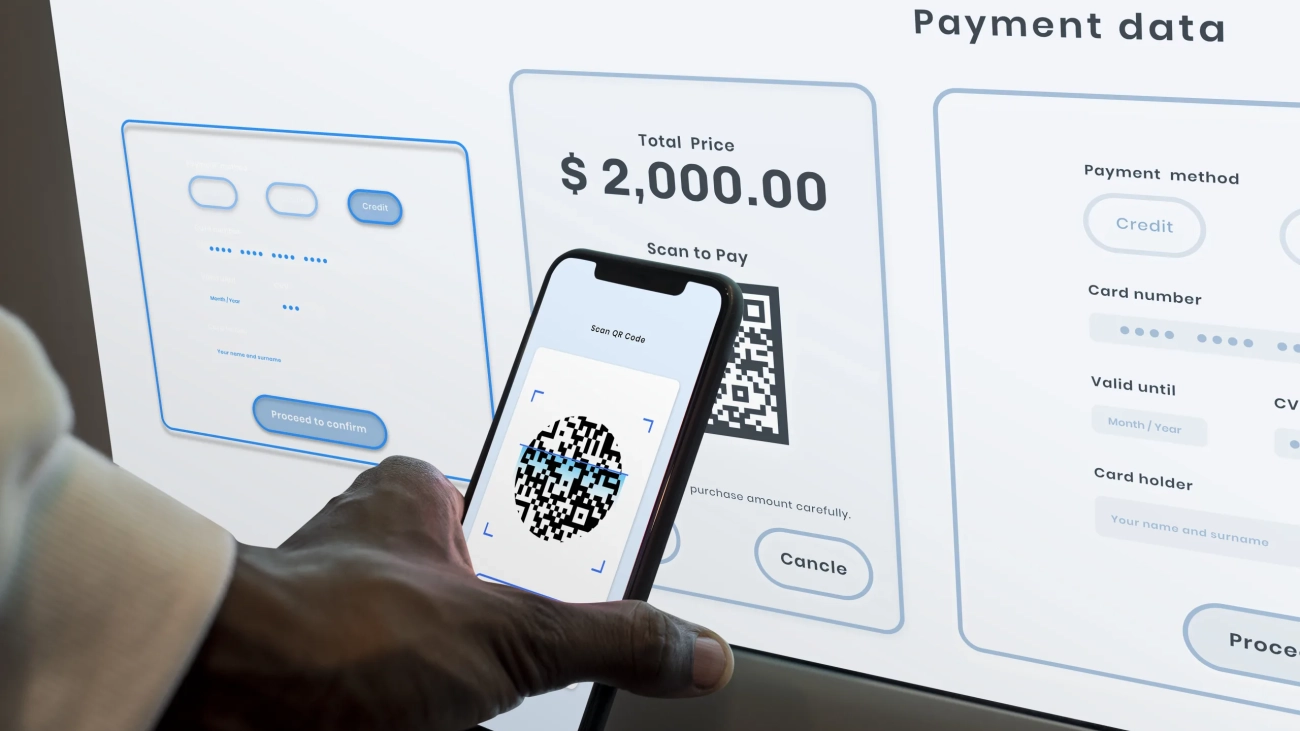
Payment is the final step of buying. It shows that your customers are serious about the product or anything which they paid for. For selling something, you can attract traffic, build trust through your content, and showcase great products. But if your checkout experience is not reliable and smooth, the user will prefer to leave rather than wait for checkout. This is likely to happen in UAE where shoppers are accustomed to smooth and reliable checkouts. That’s why the UAE payment gateway matters.
In 2025, selecting the right UAE payment gateway is not about a technical decision. It directly affects your conversion rates, customer confidence, and long-term brand perception. This is why payment integration has become a core part of e-commerce development in UAE strategies. Businesses that invest in the right mix of local and international payment gateways consistently outperform competitors.
In this guide, we break down the best payment gateways for e-commerce websites in UAE and explain how platforms like Tabby, Tamara, Stripe, and PayTabs fit into real-world e-commerce growth.
The UAE has one of the most advanced digital payment environments in the region. High smartphone penetration, strong banking infrastructure, and government-backed fintech initiatives have increased the shift toward online payments.
The UAE market is diverse it include local consumers and international buyers with different payment preferences. This diversity makes payment flexibility a non-compromising factor.
Key characteristics of the UAE payment ecosystem include:
For e-commerce businesses, this means a single payment option is rarely enough. A successful UAE payment gateway strategy must reflect how people actually shop online.
Before choosing between Tabby, Tamara, Stripe UAE, or PayTabs, it’s important to understand the evaluation criteria that truly matter in the UAE market.
A strong UAE payment gateway should offer:
Many ecommerce brands make the mistake of choosing a gateway based on popularity alone. In reality, performance in the UAE depends on localisation and user experience as much as technical capability.
Tabby has become one of the most favourite payment solutions in the UAE e-commerce, particularly for consumer-focused brands operating in Dubai. Sometimes we have to buy something, but we keep stopping ourselves because we are running out of money, but Tabby provide us the opportunity to buy in interest-free instalments. So, we don’t have to pay the total cost at once, so it doesn’t feel like a burden to us. We easily manage instalments. This is the reason Tabby integration Dubai is the most popular among users. It’s simply like splitting the purchase into interest-free instalments, which can reduce the buyer’s psychological barrier.
UAE shoppers are comfortable spending online, but they still value control over cash flow. Tabby addresses this by offering flexibility without complexity.
Key benefits of Tabby integration for Dubai e-commerce brands include:
For many e-commerce businesses, Tabby is not just a payment option; it’s a conversion optimisation tool.
From an ecommerce development UAE perspective, Tabby integrates smoothly with major platforms. However, performance depends heavily on visibility. Brands that display Tabby installment messaging on product pages see better results than those that only show it at checkout.
Tamara is another leading BNPL solution shaping payment behaviour across the UAE. While similar in function to Tabby, Tamara positions itself around clarity and trust. Tamara seems appealing to customers who prefer predictable payment schedules and transparent terms.
Tamara’s strengths include:
For businesses targeting UAE nationals or GCC-focused audiences, Tamara often delivers higher trust signals than international BNPL platforms.
Stripe UAE is widely known for its global reach and advanced payment infrastructure. It is a popular choice for e-commerce brands that plan to rank internationally while maintaining a strong presence in the UAE.
Stripe offers:
Stripe UAE is particularly suitable for e-commerce brands that offer digital products, services, or subscription-based models.
While Stripe is powerful, it works best when it is combined with local payment options. On its own, Stripe may not fully address regional preferences such as BNPL or locally trusted gateways. Many successful e-commerce websites use Stripe as their primary payment processor, alongside Tabby or Tamara.
PayTabs is one of the most established payment gateway providers in the UAE and broader MENA region. It is widely used by SMEs and enterprise-level ecommerce businesses alike.
PayTabs offers:
For ecommerce development UAE projects focused primarily on the local market, PayTabs provides reliability and familiarity that many customers recognize.
PayTabs is often selected by businesses that value stability, predictable settlement cycles, and local support.
There is no one size fits all payment gateway for every business. The most effective and reliable platform is the combination of platforms, each serving specific roles.
General comparison insights:
Designing a layered payment strategy ensures coverage across different customer preferences.
One of the most common mistakes ecommerce businesses make is treating payment integration as a final checklist item.
A strategic approach includes:
This approach reduces dependency on a single platform and improves overall checkout reliability.
Security plays a crucial role in e-commerce trust. UAE consumers are increasingly aware of data privacy and online fraud risks.
Essential security standards include:
Using a reputable UAE payment gateway reassures customers and protects long-term brand credibility.
Payment integration not just affects customers pay, but it holds the emotion of how they feel while paying.
Best practices for checkout optimisation include:
In competitive markets like online shopping Dubai, even small improvements in checkout experience can produce measurable revenue gains.
Despite advanced tools, many ecommerce websites struggle due to avoidable mistakes:
Addressing these issues often improves performance without increasing marketing spend.
Payment technology in the UAE continues to evolve rapidly.
Emerging trends include:
Businesses that stay ahead of these trends position themselves for long-term growth.
One thing many ecommerce businesses overlook is that payment behaviour is not uniform across the UAE. In Dubai, online shoppers are more exposed to international brands and global ecommerce standards. They are quicker to adopt new payment methods and expect premium checkout experiences. This is where options like Tabby integration Dubai and Stripe UAE perform exceptionally well. Shoppers are comfortable using BNPL, digital wallets, and international cards without hesitation.
For e-commerce development UAE projects, this means payment strategies should not be generic.
In practical e-commerce projects across the UAE, payment optimization consistently shows one of the highest ROI improvements. In several cases, simply adding a BNPL option like Tabby or Tamara increased conversion rates without changing pricing or marketing spend.
What often happens is simple: customers like the product, but hesitate at the total amount. When installment options are visible early, hesitation drops. This is especially noticeable in fashion, electronics, home goods, and lifestyle categories.
On the other hand, international customers and expatriates tend to trust globally recognised processors. Stripe UAE plays a key role here by providing familiarity and confidence, especially for repeat purchases and subscriptions.
This is why experienced ecommerce consultants rarely recommend a single gateway. Performance improves when payment options match the customer’s mindset.
Before finalizing your payment integration, it helps to step back and assess your business model clearly. The following checklist is often used during ecommerce development and planning phases in the UAE:
Answering these questions makes it much easier to decide whether you need Tabby, Tamara, Stripe UAE, PayTabs, or a combination of all four.
Relying on a single UAE payment gateway creates unnecessary risk. Technical outages, bank issues, or temporary compliance delays can disrupt sales instantly.
Using multiple gateways provides:
From a business continuity perspective, layered payment integration is no longer optional for serious ecommerce brands operating in the UAE.
Mobile commerce dominates online shopping in Dubai and across the UAE. Most users browse, compare, and purchase directly from their smartphones.
This makes mobile payment optimisation critical. Gateways must support:
Gateways like Stripe UAE and Tabby perform well in mobile environments when implemented correctly. Poor mobile payment UX remains one of the biggest hidden causes of cart abandonment.
Payment methods send subtle signals about your brand. Premium brands often benefit from offering flexible but polished checkout options, while value-focused brands rely heavily on BNPL to reduce purchase friction.
In ecommerce development in the UAE, payment integration should align with:
For example, luxury-oriented e-commerce brands in Dubai often use Stripe UAE combined with Tabby to balance global credibility with local flexibility.
After working across multiple e-commerce models, one pattern is clear: payment strategy is never just about transactions. It’s about psychology, trust, and convenience. Businesses that treat payment integration as a strategic layer, not a second thought, build stronger customer relationships and scale faster in the UAE market. When payment feels effortless, customers return.

In this advanced era people first notice your website too know about your business. In this guide, we’ll cover everything you need to know like choosing your reliable partners, setting up Cash on Delivery UAE options, integrating shipping APIs for your e-commerce platform and optimizing logistics for ecommerce shipping UAE customers. This article is written in a consultant-style tone, giving you actionable tips based on real-world UAE Ecommerce scenarios.
The UAE hits different in delivery ecosystem. Here is what you need to know to better understand ecommerce shipping UAE landscape.
Ignoring these expectations can severely impact sales and repeat business.
Most e-commerce demand comes from Dubai, Abu Dhabi, Sharjah and other Emirates. Dubai is usually the priority for fast shipping and premium ecommerce services due to high competition and dense customer base.
Your delivery partner is considered as the backbone of your business as it supports the whole e-commerce set-up. By selecting the right delivery partner you choose best opt for your business. Choosing right partner helps you gain trust and reliability and fast delivery speed.
Consider these factors while choosing:
Many businesses combine two or more delivery partners one focusing on Dubai, another for other Emirates.
Cash on Delivery UAE is still one of the most preferred payment methods. To use it effectively confirm your order via SMS or WhatsApp before dispatch, limit your COD for high-value items or first-time customers, track your COD performance by courier and region furthermore consider adding a small COD handling fee.
Consultant Insight: Proper COD setup, combined with delivery API integration, minimizes errors and manual tracking.
Shipping in the UAE isn’t just about moving goods; it’s about efficient logistics management.
The delivery from courier hub to customer doorstep is a crucial step. As the safety of product matters most. The efficient last mile delivery is the one which is fast, satisfaction of customers and repeating purchases probability. By partnering with reliable last-mile couriers and integrating their systems with your e-commerce platform ensures smoother and reliable operations.
Manual order processing is manageable only at low volumes. For growing stores, API-based delivery integration in Dubai and UAE is essential.
Automation reduces the risk of human errors, also saves time, and improves customer trust.
Customers in Dubai and other Emirates expect speed, accuracy, and convenience. Here are some tips to improve last-mile delivery, choose Dubai focused couriers, use route optimization software, segment deliveries by area and also offer multiple delivery opt at checkouts.
Cash on Delivery UAE is a major payment preference, but it can be risky without proper management.
Combining Cash on Delivery UAE with delivery integration Dubai improves efficiency and reduces errors.
Manual shipping management becomes impossible as order volume grows. API integration ensures end-to-end automation.
For SME’s delivery integration Dubai and UAE-wide API connections are important for scaling effectively.
Proper packaging is a key part of e-commerce logistics UAE, ensuring products arrive safely and professionally.
Smart packaging combined with efficient logistics UAE reduces damage, returns, and customer complaints.
Shipping costs influence customer decisions, so pricing must be transparent:
Clear communication about Ecommerce shipping UAE pricing improves trust and reduces abandoned carts.
If your store ships outside the UAE:
Offer international shipping as an optional service, keeping local orders prioritized for speed.
Avoiding these mistakes ensures smoother operations and better customer satisfaction.
Monitoring delivery performance is crucial:
Implementing delivery API UAE integrations helps track these metrics in real time, allowing data-driven improvements.
Once your store grows beyond a few hundred orders per month, manual processes and single courier reliance won’t suffice. Scaling your Ecommerce shipping UAE operations requires a combination of automation, multiple courier partnerships, and data-driven strategies.
Partner with at least two couriers one focused on Dubai and the other covering Emirates. Use delivery integration Dubai APIs for automating order assignments and monitor performance metrics.
Automate everything from order export to label generation or tracking notifications. Moreover, integrate your e-commerce platform with courier APIs or use shipping aggregator platforms.
For the heavy-volume stores prioritize multiple fulfillment points in Emirates. Furthermore, use analytics to determine courier allocation for each region.
Limit COD for high-value orders. And confirm orders via SMS/WhatsApp. Also track pending collections with dashboards from shipping API UAE integrations. By implementing these measures ensures your logistics can handle increased order without compromising delivery speed or customer satisfaction.
Clearly communicate estimated delivery times and costs at checkout. And highlight same-day delivery Dubai for premium customers.
Compare delivery times, COD success rates, and customer feedback.
Use lightweight, durable materials to reduce shipping costs. In addition, include branded packaging to enhance customer experience. Along with this track returns due to damaged items to improve packaging.
SMS, WhatsApp, and email notifications improve transparency. And real-time tracking reduces customer inquiries and complaints.
Use analytics to optimize delivery zones, courier allocation, and COD strategies. Also track metrics like average delivery time, failed deliveries, and return rates.
Scenario: A Dubai-based online store selling electronics wants to scale.
Shipping is a core factor of an e-commerce business. Customer expectations and emotional connection with the product means a lot. Therefore, businesses must ensure a smooth and reliable delivery experience, as disappointed customers can result in lost clients and damage to brand reputation This is why implementing a robust Ecommerce shipping UAE strategy combining multiple courier partnerships, effective COD management, delivery API integration, and intelligent logistics helps reduce failed deliveries, improve customer trust, increase repeat purchases, and enable scalable business growth.
E-commerce trend in UAE is entering a highly competitive and growth-oriented phase in 2026. Your e-commerce landscape is totally dependent on how well it designed, developed and scaled. In 2026 launching an e-commerce store is not enough it must be positioned to respond to changing customer behavior, market volatility and high performances digital ecosystem. UAE is the region of online shopping. E-commerce trends in UAE is followed by digital transformation and infrastructure maturity. E-commerce development in UAE is ahead of scalability, speed and long-term performance. Mobile adoption is the fuel of digital payments and advanced digital systems.
In any country growth is not possible without government support the UAE government plays crucial role to make the whole set-up digitally. They are highly focused on e-commerce trend in UAE. Digital transformation is taking place everywhere. The flexible and attractive regulations of e-commerce created stable and attractive environment in the business world.
If you seriously want any benefit from e-commerce trends in UAE, you must be aware of the psychology behind online buying decisions. The psychology of targeting right audience is the core value of e-commerce trend UAE.
UAE consumers are drawn to quality. They are willing to pay more for brands that deliver consistent value and exceptional experience.
While e-commerce is rapidly growing across the UAE, consumer behavior varies by emirate.
The B2C e-commerce draws public attention, while B2B e-commerce in the UAE is growing rapidly in 2026.
Businesses which are providing these e-commerce solutions are gaining a competitive advantage by diversifying revenue streams.
User experience (UX) and user interface (UI) is the back-bone of e-commerce success.
A single improvement in UX makes huge difference.
E-commerce growth in the UAE is closely bound to advanced digital marketing strategies.
Marketing strategies must meet the customer expectations, their behavior and platform preferences to deliver measurable ROI.
Content is the most powerful driver of e-commerce for traffic and conversions.
Content that optimized for e-commerce trends in UAE and online shopping Dubai support businesses rank higher on search engines while building authority and trust.
Basically, retention is the process of engaging the customers to buy again instead of focusing on the new customers. Retention is the positive factor for a successful business. The older the customer the more your brand authenticity improves.
In 2026, long-term e-commerce web design success in the UAE rely heavily on retention, not just about first-time purchases or just new customers.
To rank your e-commerce trend in UAE effectively, you must invest in the right technology stack.
A future-ready tech stack enables businesses to be flexible and meet customer expectations.
The secret of successful businesses in 2026 is totally dependent on data- driven analytics. Important decisions based on pricing, Inventory, marketing and customer experience are totally handled by analytics instead of assumptions.
By focusing on these metrics businesses can get more chance toward success.
Localization is a critical yet often ignored e-commerce trend in the UAE.
People who don’t know to type have found easiest access of voice-enabled devices. Which helps to increase conversion.
Businesses are optimizing product content for conversational keywords and voice search queries position themselves for early adoption advantages.
E-commerce subscription models are becoming top of the trend in UAE.
UAE consumers appreciate convenience and consistency
Marketplaces remain an important part of the UAE e-commerce ecosystem.
However, relying solely on marketplaces limits brand control. Leading e-commerce businesses use a hybrid approach, combining their own ecommerce platforms with marketplace presence.
In 2026, e-commerce in the UAE is no longer isolated from physical retail.
Dubai-based retailers, in particular, are adopting omnichannel strategies to provide seamless experiences across online and offline touchpoints.
The Customer support has become a key factor in e-commerce success.
Responsive and helpful customer support gain customer’s trust, reduces returns, and increases repeat purchases.
The rapid growth of e-commerce trends businesses in the UAE faces numeral challenges.
Businesses that actively address these challenges and fix them through innovation and operational efficiency are having more chances to succeed in long term race.
The UAE continues to be an attractive market for e-commerce startups and SMEs.
Startups that focus on niche markets, strong branding, and customer experience can compete effectively with larger players.
Looking ahead, e-commerce in the UAE will continue to evolve through:
Businesses that adopt future focused mindset will be better prepared to navigate ongoing change.
Payment is the most sensitive factor in UAE. It plays a crucial role in conversion rates in UAE. Consumer expect secure and smooth checkout experience. E-commerce trend in UAE pays keen attention and prioritize payment optimization to reduce trust issues and build a trustworthy environment. Some popular method of payment in UAE is credit card, debit card, digital wallets, BNPL and COD. Developing secure and scalable systems for e-commerce is essential for your business growth in UAE.
Customer expectations are very high they want everything in just one click, they want fast delivery and reliability.
Advanced e-commerce companies are investing in smart warehousing, automation, and partnerships with reliable logistics providers.
Sustainability is becoming the first priority for UAE consumers. While price and convenience remain key drivers, environmentally responsible practices influence brand perception and loyalty.
E-commerce businesses that communicate sustainability shows effort clearly through their websites and content marketing to gain trust.
In the evolving e-commerce web design in UAE the risk of data breaching and hacking has been increased which can be a serious threat. Cybersecurity has become the top priority for everyone. Producers and consumers are aware of data privacy and expect e-commerce platform to protect their privacy, data and their personal and financial information.
Investing in e-commerce development give advantage to both customers and businesses from any kind of risks. Trust is a non-compromising factor in e-commerce success.
Successful brands never operate in alone. They must have strategic partnership with technology providers, logistics companies, marketing agencies and payment platforms which helps them in growth and scalability.
E-commerce trend in UAE is driven by strategic alignment of technology, customer experience, marketing and operations. Businesses that are aware of consumer psychology and act on evolving e-commerce trends, adapt to changing of customer behavior, and leverage the momentum of digital world will succeed to build resilient e-commerce brands. The UAE e-commerce market rewards businesses that are agile, customer-centric and innovative.

The ecommerce landscape in Dubai is evolving fast. With fierce competition and rising customer expectations, brands are no longer settling for outdated or generic website layouts. In 2025, smart ecommerce designs in Dubai are leading the way — helping businesses sell more, engage better, and grow faster.
But what exactly makes a design “smart,” and why are local businesses making the switch? Let’s dig deep into the transformation that’s shaping the future of ecommerce in the UAE.
These stats highlight why web design is no longer just about looks. It’s about usability, performance, and trust.
Smart ecommerce design isn’t just about aesthetics. It includes:
At Fajri, our custom designs follow these exact principles to help your business stand out and convert.
Many Dubai businesses used to rely on premade themes or outdated layouts. But that no longer works. Here’s why they’re upgrading:
Modern buyers expect:
A slow, cluttered, or confusing site kills trust instantly.
60% of ecommerce traffic in the UAE now comes from mobile. Smart designs prioritize mobile UX to ensure no sales are lost.
Smart ecommerce websites are built to convert — with strategically placed CTAs, upsells, and checkout flows that reduce cart abandonment.
Here are a few smart design features that Dubai ecommerce brands are implementing:
Slow loading time
Hard-to-read fonts or broken layouts on mobile
No product filters or search function
No trust signals (like reviews, badges, or shipping info)
Poor structure for SEO
Switching to a smart design helps fix these instantly.
Here’s how Dubai brands are seeing ROI after switching:
| Benefit | Impact |
|---|---|
| Faster Load Speed | +20% in conversions |
| Improved SEO | +30% in organic traffic |
| Better Mobile UX | +40% mobile retention |
| Smart Checkout | -35% cart abandonment |
(Source: Shopify UAE Data Insights, 2025)
At Fajri, we specialize in ecommerce websites that combine:
Mobile-first responsive design
Conversion-focused UX
WordPress and custom development options
SEO-optimized architecture
Lightning-fast performance
We’re not just building websites — we’re building growth platforms.
🔗 Check our Ecommerce Website Design Services
🔗 Explore WordPress Web Development
Dubai’s ecommerce space is only getting more competitive. Brands that fail to adapt will fall behind. But those that invest in smart ecommerce designs will:
It’s not a trend — it’s a strategy for long-term growth.
If your ecommerce site looks and works like it did in 2020, it’s time to level up. With the tools, design principles, and tech available today, smart ecommerce design is the most cost-effective upgrade you can make.
Let’s talk. Book a free consultation with the Fajri team and see how we can revamp your website into a revenue machine.