Modern Website Design

Modern Website Design Trends for UAE Businesses in 2026

Introduction

In the UAE, websites are more than an online presence. It’s your brand statement, the core of trust between you and your audience, and your first point to your audience. In cities like Dubai and Abu Dhabi, which are considered a competition hub, outdated websites can instantly push clients away. In 2026, user expectations are rising; they want speed, usability, and emotional connection. Businesses that are still relying on generic templates or cluttered layouts are risking their credibility, especially in industries like real estate, fintech, healthcare, e-commerce, hospitality, and professional services. That is why website design Dubai trends are moving toward cleaner and better interfaces, with stronger branding, and psychology-driven user experiences. Modern web design is not just about looking “nice.” It’s about guiding users, building trust, and supporting business goals.

In this article, we’ll explore the most important modern website design trends for UAE businesses in 2025 & 2026, with a strong focus on UI UX Dubai, branding consistency, and design psychology that actually converts.

Understanding the UAE Digital User Mindset

Before diving deeper into trends, it is important to understand how users in the UAE interact with websites. UAE audiences are highly mobile-first, visually sophisticated, touchy in choosing brand, love premium digital experiences, slow websites give them ick, and they run off quickly. A website visitor in Dubai expects fast load times. At a glance, they wanna know everything that’s inside; a little late means the user is gone. The user, expect high quality visuals, professional and premium branding, and instant trust signals. If a website fails to deliver these within the first few seconds, users often leave permanently.

Minimalist UI with Purposeful Design

Less clutter means more clarity than jargon. I mean, you don’t need more data and pages to dominate. Minimalism is becoming intentional. I’m not talking about empty pages, it’s just about cutting all distractions and being on point, what matter just mention that 

and guide users clearly.

Modern UAE websites are moving toward:

  • Clean layouts
  • Generous white space
  • Focused content sections
  • Clear visual hierarchy

Every element on the page must serve a purpose whether, it’s guiding attention, explaining value, or encouraging action.

Why This Works for UAE Businesses

Dubai-based users value clarity and efficiency. A clean interface naturally give premium and trustworthy vibes, websites loads in a blink, mobile-friendly, and also enhances readability for multilingual audiences. Minimalist UI also aligns well with luxury branding, which is common across UAE industries.

UX-First Design Over Visual Decoration

People think that if a website looks good, it works better too, but there is something to know. Firstly, UI is focused on what you see, the visuals, the display, but UX is something that makes your website run and work properly if you click on a link or button it must redirect you somewhere, your smooth scrolling or every function is under the UX. Many businesses confuses in these terms. In 2026, UI UX Dubai is shifting rapidly toward experience-first design.

This means:

  • Designing user journeys before visuals
  • Mapping user intent and behavior
  • Reducing friction

A website which is visually appealing but harder to navigate not stands-out especially in a competitive market like Dubai.

Key UX Improvements UAE Businesses Are Adopting

The key improvement for UAE businesses are now following clear CTAs with developing urgency to take an action, fewer form fields to reduce drop-offs and predictable navigation patterns. 

Mobile and Thumb-Friendly Interfaces

We all are familiar with mobile phones; even a child of 3 or 4 years has a cell phone, so this proves that mobile is no longer secondary. It’s a part of our daily life routines. Mobile traffic is dominating almost every industry. Mobile-first design is the baseline. Modern website design in Dubai approaches now start with mobile layouts and scale up to desktop, not the other way around.

  • Mobile UX Trends in the UAE
  • Larger tap targets
  • Bottom-aligned navigation
  • Swipe-friendly elements
  • Optimized mobile forms
  • Faster mobile load speeds

Designing for thumbs, not cursors, is becoming a core UX principle.

Strong Brand Identity Through Design Consistency

Branding is not just about building logos. In 2026, branding is deep connected to  web design. A brand must have unique Colors, typography, spacing, imagery, and tone all these work together to tell a brand story to the audience. The successful UAE brands ensures consistent color psychology, recognizable typography, visual alignment across all pages and clear brand voice. 

This consistency builds familiarity and trust. These are the critical factors for conversions but some brands still not know the importance.

Design Consistency Across Digital Touchpoints

Modern businesses are highly focused on their design across digital touchpoints which matters like websites, landing pages, social media visuals, and e-mail templates. This creates a seamless digital presence that strengthens brand recall.

How Psychology Influences User Decisions

Design psychology plays a huge role in modern UI UX Dubai strategies. Every color, shape, and layout decision subtly influences user behavior.

Examples include:

  • Blue tones for trust and professionalism
  • Green for growth and action
  • Strategic spacing to reduce cognitive load
  • Directional cues guiding attention

In the UAE, where users compare multiple brands quickly, these micro-design decisions can make or break conversions.

Emotional Design Is Gaining Importance

Websites are increasingly designed to make users feel confident, comfortable, understood, and safe. This emotional connection directly impacts lead generation and customer loyalty.

Speed, Performance & Core Web Vitals

In 2026, the performance of website and the design both are conjoined. The websites with heavy animations, unoptimized images, and poor code structure hurt both UX and SEO.

UAE businesses are prioritizing lightweight design elements in simple they are going toward minimalist, optimized media, faster page load times, and core web vitals compliance. Google rankings and user satisfaction both depend on it.

AI-Powered Personalization in Website Design

In 2026, websites in the UAE is becoming smarter. AI-driven personalization is no longer limited to large enterprises. Some SMEs and mid-sized businesses are now using it, as part of modern website design Dubai strategies. Instead of showing the same content to every visitor, websites are beginning to adapt based on user behavior, location, device type, previous interactions and traffic source. This creates a more relevant, interesting and engaging experience.

How Personalization Improves UX and Conversions

The examples of AI-powered UX include personalized homepage sections, dynamic CTAs based on intent, product or service recommendations, and location-based messaging. For UAE businesses serving diverse audiences, personalization significantly improves engagement and reduces bounce rates.

Bilingual & Multilingual UX (Arabic + English First)

The UAE’s multicultural audience makes bilingual design essential, not optional. Websites that fail to handle Arabic and English properly often struggle with usability and credibility.

  • Modern UI UX Dubai trends focus on:
  • Seamless language switching
  • RTL (Right-to-Left) friendly layouts
  • Typography optimized for Arabic readability
  • Cultural sensitivity in visuals and messaging
  • Poor localization creates friction and damages trust.

Best Practices for Bilingual UX Design

Leading UAE websites ensure equal UX quality in both languages, consistent branding across versions, and logical content hierarchy in Arabic layouts. This level of UX maturity directly impacts conversion rates and brand perception.

Accessibility Is Becoming a UX Standard

In 2026, accessibility is moving from “nice to have” to a core design principle. Inclusive design improves usability for everyone, not just users with disabilities.

Modern website design Dubai trends include proper contrast ratios, readable typography, keyboard-friendly navigation and screen-reader compatibility. 

Accessible websites also perform better in SEO and user engagement.

Business Benefits of Accessible Design

Accessible design can expands audience reach by improving UX for all users, supports long-term compliance and enhances brand reputation. Forward-thinking UAE brands see accessibility as an investment, not a limitation.

Micro-Interactions That Guide, Not Distract

Micro-interactions such as hover effects, button animations, and subtle transitions are becoming more refined in modern UI UX Dubai practices. The key shift for 2025–2026 is restraint. Instead of flashy animations, designers focus on:

  • Feedback for user actions
  • Visual confirmation of progress
  • Subtle guidance through interfaces

These details improve usability without slowing down performance.

Examples of Effective Micro-Interactions

  • Button state changes
  • Loading indicators
  • Form validation feedback
  • Subtle scroll cues

When done right, users don’t “notice” them they simply feel that the site works smoothly.

Design Supporting Content, Not Competing with It

In 2026, design and content are no longer separate strategies. Successful website design Dubai aligns layout, visuals, and typography to support content clarity.

This includes scannable layouts with strong heading hierarchy, balanced text-to-visual ratios and clear content sections. Good design makes content easier to consume and easier to rank.

SEO and UX Working Together

Search engines now reward clear information architecture, fast loading pages, strong engagement metrics and design choices directly influence these SEO signals.

Industry-Specific Design Customization

UAE businesses are moving away from generic templates toward industry-specific web design strategies.

Examples:

  • Real estate websites: immersive visuals, map integrations
  • Healthcare: trust signals, clarity, accessibility
  • E-commerce: speed, frictionless checkout
  • Corporate & B2B: authority-driven layouts
  • This tailored approach improves both UX and brand credibility.

Long-Term ROI of Modern Website Design

Design as a Business Asset

Modern website design is no longer a one-time expense—it’s a long-term investment.

Well-designed websites:

  • Convert better
  • Retain users longer
  • Support marketing campaigns
  • Reduce bounce rates
  • Strengthen brand perception

In competitive markets like Dubai, this directly impacts revenue growth.

Cost of Not Updating Your Website

An outdated design results in lost leads, lower website rankings, reduced customer trust, and drains you in higher paying advertising costs. Modernizing design is often cheaper than compensating for poor performance elsewhere.

Website Design Dubai

To stay competitive in 2025 and 2026, UAE businesses should prioritize:

  • UX-first design thinking
  • Mobile and bilingual optimization
  • Performance and accessibility
  • Brand consistency across digital touchpoints
  • Design psychology aligned with business goals

Partnering with professionals who understand UI UX Dubai and regional user behavior is critical.

How Modern Web Design Impacts Trust & Conversions in UAE Markets

In 2026 the modern websites are highly focusing on visual hierarchy, emotionally intelligent layouts and intuitive navigation. They are using strategically warehouse white space, to the point call to action button placements, and specially designed cultural based elements to help and guide users naturally. That is why UI UX design in Dubai takes place in a business asset rather than just a visual upgrade.  

Final Thoughts As the competition increases across the UAE, modern websites is considered as a key diffrentiator not just about visuals. Businesses that are investing thoughtfully in user-focused and psychologically driven design will stand out than those relying on outdated templates and surface levels aesthetics. By embracing the latest website design Dubai trends and applying strong UI UX Dubai principles, companies can build strong digital experiences that not only look modern, but also convert, engage, and grow sustainably in 2026 and beyond.
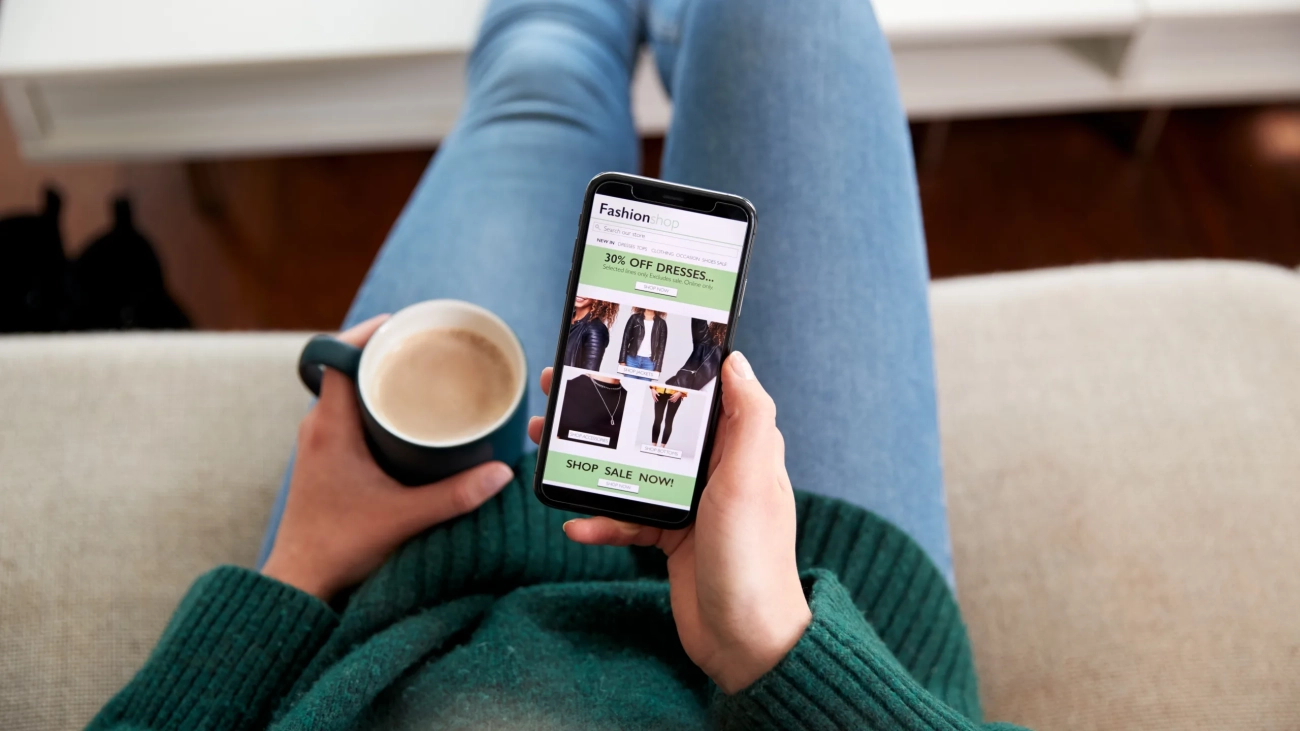
Mobile-First E-commerce Websites

Why Mobile-First E-commerce Websites Are Winning in UAE

Introduction

If you pay close attention to how people in the UAE shop today, the first thing which you notice is mobile phone is the main channel. People are buying from anywhere anytime, from a taxi ride in Dubai to late night orders in Abu Dhabi. Majority of consumers are using phones at every stage of buying. The vast user of cell-phones pushed businesses to rethink how they design and build online stores. That’s exactly why mobile-first e-commerce websites are winning in the UAE.

The websites that are designed for desktop and later on adjusted for mobile-friendly sometimes face errors, slow loading, and a bad user experience. On the other hand, e-commerce focuses on smartphone experience from the very first beginning, which results in fast loading, better user experience, high conversions and stronger customer retention.

In this blog, we’ll break down why mobile e-commerce in UAE is growing so rapidly, how mobile-first design outperforms traditional approaches, and what e-commerce businesses must do to stay competitive in a mobile-driven market like Dubai.

Understanding Mobile E-commerce in UAE

Buying or selling products or services through mobile devices such as smartphones and tablets is often considered M-commerce. This category includes shopping via mobile-optimized websites, purchases through e-commerce mobile apps and payments through mobile wallets like Apple Pay, Google Pay, and local solutions. In the UAE market, M-commerce isn’t just growing it’s dominating.

Why UAE Is a Mobile-First Market

The factors like extremely high smartphone penetration, fast mobile internet and 5G adoption, a young tech-savvy population, strong digital payment infrastructure and high trust in online shopping. Because of this, mobile e-commerce UAE trends differ from many other regions. Customers expect speed, simplicity, and premium experiences , especially on mobile. If your e-commerce website isn’t optimized for mobile-first usage, you’re not just behind you’re invisible to a large segment of your audience.

Mobile-First vs Mobile-Friendly

Majority of businesses assume that having a website is enough but, they don’t know the key difference between mobile-friendly and mobile-first. It’sa bit crinky. Those who are aware of these terms still confuse them. Let me explain you in simple words, so you will know the difference. Basically, mobile-friendly means a website is adjusted to run, in simple to be friend with your mobile phones but not your mobile’s best friend it’s just like your relatives trying to poke their nose in your affairs. On the other hand, mobile-first we assume from the name that something in which mobile came first. In simple it’s a website specially designed for mobile users first, then scaled up for larger screens.

e-commerce websites prioritize:

  •  Touch-friendly navigation
  •  Simple layouts
  •  Fast loading times
  •  Thumb-reachable buttons
  • lClear product visuals on small screens

This approach aligns perfectly with how UAE customers actually shop online.

Why Mobile-First E-commerce Websites Perform Better in UAE

1. Mobile Traffic Dominates E-commerce in UAE

Most of the e-commerce websites in Dubai and across the UAE receive more than 65–75% of their traffic from mobile devices. In some industries like fashion, beauty, food delivery, and electronics the number of traffic is even higher. When the majority of your visitors are mobile users then designing for desktop first simply doesn’t make sense.

A mobile-first e-commerce strategy ensures:

  • Lower bounce rates
  • Higher session duration
  • Better engagement
  • More completed purchases

This directly impacts your revenue.

2. Google Prioritizes Mobile-First Indexing

Google now uses first indexing, meaning it evaluates your website based on its mobile version not desktop. For e-commerce businesses targeting Mobile e-commerce UAE keywords, this is critical. A mobile-first website helps you rank better in UAE-based search results, improve core web vitals scores, reduce technical SEO issues and deliver faster page speeds on mobile. Simply put, SEO and mobile-first e-commerce go hand in hand.

3. UAE Shoppers Expect Speed and Simplicity

UAE consumers are used to premium digital experiences from ride-hailing apps to banking platforms. That expectation carries over to e-commerce. If your mobile website takes too long to load, has cluttered navigation, forces users to zoom or scroll excessively, or has complicated checkout steps. You are losing the sale. Mobile-first e-commerce websites remove friction by design. Everything is intentional, minimal, and optimized for quick decision-making.

Mobile Apps vs Mobile Websites

Now the question arises which one is best and what works better in UAE. These are the most common questions among e-commerce brands in Dubai.

Mobile Apps

Everything in the world have two sides one positive and the other negative. Likewise, mobile apps have advantages like faster performance, better personalization, push notifications and strong brand loyalty. But the negative side, I mean the disadvantages are higher development cost, requires installation and not ideal for first-time users.

Mobile-First Websites

A mobile-first e-commerce website win for most businesses because it works instantly without downloads, easier to discover via Google, costs less to maintain than apps and supports SEO and paid ads more effectively. For most businesses especially SMEs and growing brands mobile-first websites deliver the best ROI in the UAE market. Many successful brands later add an app after perfecting their mobile web experience.

The Role of Mobile UI/UX in E-commerce Success

UI/UX matters more than ever. In mobile e-commerce, design is not just about looks it’s about behavior. Strong mobile UI/UX focuses on:

  •  Clear product images
  •  Simple product descriptions
  •  One-hand navigation
  •  Easy filtering and search
  •  Fast checkout processes

In the UAE, where customers have many options, poor UX means instant abandonment.

Key Mobile UI/UX Elements That Convert in UAE

Some proven mobile UI/UX practices include:

  • Sticky “Add to Cart” buttons
  • Large, readable fonts
  • Minimal pop-ups
  • Quick guest checkout options
  • Localized content and currency

These small details make a huge difference in M-commerce Dubai conversion rates.

Mobile Checkout is Make-or-Break Moment in UAE E-commerce

You can have a beautifully designed mobile homepage and great product pages, but if your mobile checkout experience is weak, you will lose sales. This is where most e-commerce websites in the UAE struggle. Mobile shoppers in Dubai and across the UAE are decisive. They expect checkout to be fast, secure, simple, minimal and smooth. Every unnecessary step increases abandonment. Mobile-first e-commerce websites are built around checkout simplicity, not as an afterthought but as a core conversion driver.

Why Traditional Checkout Fails on Mobile

Many e-commerce websites still use checkout flows originally designed for desktop. On mobile, this creates problems like too many form fields, tiny input boxes, forced account creation, slow page transitions and confusing error messages.

For mobile e-commerce UAE, these issues directly translate into lost revenue. Mobile-first e-commerce design flips the process by asking one question:

What does the user need to do right now?

Best Mobile Checkout Practices for UAE E-commerce

Here’s what actually works in the UAE market:

1. Guest Checkout Is Non-Negotiable

UAE customers value speed. Forcing registration kills conversions. Mobile-first websites always prioritize guest checkout.

2. One-Page or Short Checkout Flow

Reducing checkout to a single scrollable page or 2–3 clear steps keeps users engaged and focused.

3. Smart Form Design

The features like autofill enabled, numeric keyboards for phone numbers, clear labels and minimal required fields matter a lot in M-commerce Dubai.

Why Mobile Payment Options Drive Conversions

Payment flexibility is a major trust factor in UAE e-commerce. Mobile-first e-commerce websites integrate payment methods that customers are already using in daily life. Popular mobile payment options in the UAE include:

  • Apple Pay
  • Google Pay
  • Credit and debit cards
  • Buy Now, Pay Later (BNPL) solutions
  • Local gateways optimized for mobile

When payment methods seems familiar and friction-less it build users trust and user can confidently purchase.

Mobile Wallets Are Especially Powerful in UAE

UAE consumers are highly comfortable with mobile wallets. Apple Pay and Google Pay, in particular, significantly reduce checkout time on mobile. For e-commerce brands, this means:

  • Faster transactions
  • Fewer checkout errors
  • Higher mobile conversion rates

This is one of the biggest reasons mobile-first e-commerce websites outperform desktop-first platforms in the UAE.

Why Speed Matters More on Mobile

Don’t mind but, it’s a fact that mobile users are a bit impatient than desktop users. A little delay can push your client away. Especially in e-commerce niches speed is the main factor to stand in the race of competition. For mobile e-commerce UAE, speed directly affects:

  •  SEO rankings
  •  Bounce rates
  •  User satisfaction
  •  Sales performance

Mobile-first websites are optimized to load fast even on mobile networks.

How Speed Impacts SEO in M-Commerce Dubai

Google evaluates your e-commerce website primarily through its mobile version. If your mobile site is slow ranking drops suddenly, visibility decreases, paid ads become more expensive and organic traffic suffers. That’s why mobile-first e-commerce is not just a design choice. It’s an SEO strategy.

Mobile-First Indexing Explained Simply

Google now crawls and indexes websites based on their mobile experience first. For e-commerce businesses targeting Mobile e-commerce UAE, this changes everything. Mobile-first indexing means:

  • Your mobile content must match desktop content
  • Navigation must be crawl-able
  • Page speed must meet mobile standards
  • UX issues directly affect SEO

A poorly optimized mobile site can limit your growth, even if your desktop site looks perfect.

Local SEO + Mobile = Stronger E-commerce Growth

In the UAE, local intent plays a major role in e-commerce searches. People often search with location-based intent like: “online store Dubai”, “buy shoes UAE”, “electronics delivery Dubai”. Mobile-first e-commerce websites are better positioned to capture this traffic because they load faster and provide smoother local browsing experiences.

Mobile UX Is About Reducing Effort

On mobile, users interact with your store using their thumbs, often while multitasking. Mobile-first e-commerce design respects this behavior. Key UX elements that boost conversions include:

  •  Large tap targets
  •  Thumb-friendly menus
  •  Clear visual hierarchy
  •  Simple product comparisons

These elements reduce cognitive load and help users move quickly toward purchase.

Trust Signals Matter More on Mobile

On smaller screens, trust signals must be visible without clutter. Effective mobile-first e-commerce websites highlight secure payment icons, clear return policies, customer reviews and delivery timelines. This builds confidence and reduces hesitation during checkout.

M-Commerce Growth in UAE is More Than Just a Trend

Mobile commerce in the UAE is not a temporary shift. It’s a long-term behavioral change. Consumers now discover, compare, and purchase products primarily on mobile devices. This applies across industries, from fashion and electronics to groceries and luxury goods. For e-commerce businesses, this means one thing: Mobile-first is no longer an advantage, It’s a requirement. Brands that continue to rely on desktop-first e-commerce strategies are slowly losing relevance in a mobile-dominated market.

What’s Driving Mobile E-commerce Growth in UAE?

The Several factors are accelerating mobile e-commerce UAE growth rising smartphone dependency in daily life, faster mobile internet and 5G expansion, trust in digital payments, same-day and next-day delivery expectations and strong social media influence on buying decisions. Mobile shopping fits naturally into the fast-paced lifestyle of UAE consumers, especially in urban centers like Dubai.

When a Mobile-First Website Is the Best Choice

For most e-commerce businesses in the UAE, a website is the smartest starting point because it supports SEO growth, works for new and returning users, integrates easily with ads and social media and requires lower investment. This approach is especially effective for brands which are still building awareness.

When an E-commerce App Makes Sense

Apps work best when you already have strong brand loyalty, customers purchase frequently, push notifications add value and you offer them personalized experiences. Many successful UAE e-commerce brands start with mobile-first websites and later expand into apps.

Social Commerce & Mobile-First Strategy

Social media is considered as a mobile-first sales channel. In the UAE, platforms like Instagram, TikTok, and Snapchat are major traffic sources for e-commerce. Websites convert better from social traffic because of landing pages load faster, navigation is simpler and checkout is optimized for mobile. If your website isn’t mobile-first, social media traffic won’t convert effectively.

Conclusion

From a strategic perspective, mobile-first e-commerce aligns with how people actually live, browse, and buy in the UAE. It reduces friction, improves trust, and delivers better ROI across SEO, paid advertising, social media campaigns and customer experience. That’s why businesses focused on Mobile e-commerce UAE growth are investing heavily in mobile-first platforms.