Dubai shopper browsing an ecommerce website on a smartphone, examining product images, reviews, and layout to judge site credibility.

How Do Dubai Buyers Judge an Ecommerce Website?

Introduction

Dubai’s ecommerce market is booming — but standing out is harder than ever. Buyers have high expectations. They scroll, scan, and judge fast. If your store doesn’t meet their mental checklist within seconds, they leave — and probably don’t return. So, how do Dubai buyers judge an ecommerce website?

Let’s explore their thought process, what they look for, what they avoid, and how you can build a site that converts clicks into loyal customers.

The Psychology of Dubai Shoppers

Understanding the mindset of buyers in Dubai is key. This is a diverse, fast-paced, and mobile-first market with a mix of local and expat shoppers. They’re often tech-savvy, used to global brands like Amazon and Noon.

They value:

  • Speed and efficiency
  • Clear pricing
  • Secure checkout
  • Arabic/English toggle options
  • Trust indicators

Moreover, due to strong competition, they judge your website not just on the product — but on the experience.

Visual Design and First Impressions

According to a Google study, it takes just 0.05 seconds for users to form an opinion about a website.

That means:

  • Design matters. A modern, clean layout instantly feels trustworthy.
  • Color scheme counts. Bright, cluttered sites feel cheap.
  • Whitespace = premium. A neat design signals a high-end store.

Dubai shoppers expect design that’s modern, minimal, and mobile-friendly. If your site looks outdated or visually busy, they’ll bounce — fast.

Trust Signals Buyers Expect

Buyers want to know they’re in good hands — before they click “Buy.”
Here’s what trust signals matter most:

  1. HTTPS & secure checkout
  2. Visible contact details
  3. Return and refund policy
  4. Trust badges or payment logos
  5. Customer reviews and ratings

If these elements are missing or hidden, users feel uncertain — especially in a high-fraud market like the online space in the UAE.

Transitioning from trust to transaction requires visible reassurance.

How Product Pages Influence Judgment

Once buyers land on a product, they look for clarity and completeness.

What to include:

  • HD product images (multiple angles)
  • Price, currency, and availability
  • Short + detailed description
  • Shipping and delivery info
  • Social proof (e.g., “13 sold today”)
  • Questions & answers section

Product pages are where most judgments turn into action — or exits.

Don’t just showcase your product. Showcase your reliability.

The Role of Mobile Experience

In the UAE, over 70% of ecommerce transactions happen on mobile. If your mobile site is slow, glitchy, or hard to use — you lose the sale.

Dubai buyers on mobile expect:

  • Fast load time (<3s)
  • Tap-friendly buttons
  • Sticky cart / CTA
  • Quick, guest-friendly checkout

It’s not just about responsiveness — it’s about streamlined mobile UX. Every extra click = drop in conversions.

Navigation and UX Simplicity

Simplicity = power. Dubai users are busy and expect to find what they need fast.

Important UX features:

  • Search bar at the top
  • Filters (by price, category, brand)
  • Clear menu hierarchy
  • Category breadcrumbs
  • “Back to top” buttons

Don’t make users work to find products. Guide them visually and logically.

Common Mistakes That Turn Buyers Off

Even well-designed stores lose buyers due to small but critical mistakes. Avoid these:

  1. Slow load times — especially on product pages
  2. Popups that block the view
  3. Forcing login before browsing
  4. No Arabic language option
  5. Unclear return policy

These instantly break trust — and trust is hard to rebuild once lost.

Transitioning from doubt to delight requires consistency across all elements of your site.

How to Meet Expectations with Fajri

At Fajri, we help ecommerce businesses build platforms that not only look good — but perform better.

Here’s how we optimize your site for how Dubai buyers judge an ecommerce website:

  • Custom ecommerce designs tailored for UAE preferences
  • Mobile-first layout with lightning-fast performance
  • Built-in SEO for long-term Google visibility
  • Multilingual functionality (Arabic + English)
  • Trust-building UI and UX

We go beyond templates — we build digital trust experiences.

👉 Explore Ecommerce Design Services
👉 Contact Us to Improve Your Store

Supporting Stats That Prove the Point

Here are stats that show why these points matter:

  • 75% of users judge a brand’s credibility based on its website design (Stanford Web Credibility Study)
  • 53% of mobile users leave if a page takes more than 3 seconds to load (Google)
  • 88% of online shoppers say they won’t return after a bad experience
  • 93% of UAE ecommerce shoppers read product reviews before buying
  • Websites with Arabic options see 30–45% higher retention in the GCC market

Final Thoughts

Dubai ecommerce buyers don’t just shop with their wallets — they shop with their eyes and instincts.

They judge:

  • How your site looks
  • How fast it loads
  • How easy it is to trust
  • And how smooth the experience is

If your store misses the mark, they’re gone.

So if you want to convert more Dubai visitors into customers, give them a site that makes them stay, explore, and buy.

Need help building a site Dubai buyers will love?
👉 Fajri can help — Start here.

Frustrated shopper in Dubai waiting for a slow ecommerce website to load on a smartphone, highlighting poor user experience.

How Slow Sites Kill Sales in Dubai’s Ecommerce Space

Introduction: Why Every Second Counts in Dubai’s Ecommerce

Today, site speed is a silent killer of online businesses — especially in fast-moving markets like the UAE. This blog uncovers how slow ecommerce sites in Dubai damage your revenue and reputation, and gives you easy, practical steps to fix it.

In Dubai, shoppers expect convenience, speed, and smooth experiences. They’re used to ordering food, booking taxis, or paying bills in just a few clicks. If your ecommerce website takes more than a few seconds to load, most visitors won’t wait — they’ll leave.

And when they leave, so do your sales.

The Real Numbers: What the Data Tells Us

Let’s start with some jaw-dropping statistics that prove just how critical website speed is:

  • 53% of mobile users leave a site that takes more than 3 seconds to load (Google)
  • Every 1 second of delay causes a 7% drop in conversions
  • Slow load speeds can increase bounce rates by 35%
  • 70% of ecommerce traffic in Dubai comes from mobile users
  • 38% of users say they will never return to a site that loaded too slowly the first time

Imagine running paid ads, SEO campaigns, or social promotions — only to lose those leads due to something as simple as a slow-loading page.

Why Speed Matters More in the UAE Market

Dubai has a fast-growing, digitally connected population. That means:

1. High Expectations

Dubai users are tech-savvy. If your website feels slow, they’ll feel frustrated, and they won’t hesitate to switch to a competitor.

2. Mobile-First Usage

Most online shopping in the UAE happens on mobile phones. Mobile networks are fast — so users expect fast websites too.

3. Intense Competition

Your store isn’t only competing with other startups — it’s competing with Amazon.ae, Noon, Namshi, and international brands. They load fast. You must too.

What a Slow Website Feels Like to Your Customer

When a website is slow, it doesn’t just hurt numbers — it hurts experience and trust. Let’s walk through what happens:

  1. Frustration: The site takes too long to load. The user loses patience.
  2. Doubt: “Is this website secure? Is it real? Will my payment go through?”
  3. Bounce: The user hits “Back” and never returns.
  4. No Sale: Your customer is gone — possibly forever.

This happens in seconds. You never even got a chance to pitch your product.

6 Ways a Slow Site is Killing Your Sales

Here’s how speed directly ruins ecommerce performance in Dubai:

1. High Bounce Rate

When visitors land and immediately leave without clicking — that’s a bounce. Google tracks this. A high bounce rate means people aren’t impressed, and your ranking drops.

2. Abandoned Carts

Even if users browse, if your checkout is slow or glitchy, they won’t complete the transaction. That’s revenue slipping through your fingers.

3. Lower Google Rankings

Google’s Core Web Vitals score your speed. If you score low, your page moves down the results, meaning less visibility and traffic.

4. Poor Mobile Performance

Dubai users rely heavily on mobile. If your mobile speed is poor, even the best-looking site won’t matter.

5. Trust Issues

Speed = Professionalism. A slow website looks outdated, unsecure, or even fake — especially if it’s a small brand.

6. Lost Repeat Visitors

Once someone leaves due to speed issues, they rarely come back — no matter how good your product is.

How to Check Your Website’s Speed

Use these tools — they’re free and accurate:

ToolWhat It Does
Google PageSpeedRates mobile & desktop speed (score out of 100)
GTmetrixGives full loading breakdown + fix suggestions
PingdomLoad time by server location
WebPageTestAdvanced test: Time to First Byte, interactivity

Ideal Targets:

  • Load time: Under 3 seconds
  • PageSpeed score: 85+
  • First Contentful Paint: <1.8s
  • TTFB (Time To First Byte): <200ms

What’s Slowing You Down? (Top Culprits)

Here are the most common reasons ecommerce sites in Dubai run slow:

1. Unoptimized Images

Big, uncompressed photos are the top reason websites lag.

2. Too Many Plugins

If you’re using WordPress or WooCommerce, too many active plugins make your site bloated.

3. Cheap or Remote Hosting

Hosting in the US or Asia? That increases load time in Dubai. Use hosting with GCC or UAE servers.

4. No Caching

Every time a user opens your site, it loads from scratch. Caching saves elements and reduces loading.

5. Poor Code or JavaScript

Heavy themes or poorly coded animations can delay the first content being shown.

6. No Content Delivery Network (CDN)

A CDN distributes your content globally. Without it, your UAE users wait longer for international server responses.

How to Speed Up Your Ecommerce Site (Dubai-Friendly Fixes)

Ready to take action? Here’s what to do step-by-step:

1. Compress and Resize Images

Use tools like:

  • TinyPNG (manual)
  • ShortPixel / Smush (WordPress)

Keep product images under 300KB wherever possible.

2. Upgrade to Better Hosting

Choose UAE-based hosting or providers with Middle East CDN options:

  • Cloudways (Dubai servers)
  • SiteGround (global CDNs)
  • Hostinger ME

3. Install Caching Plugins

If you’re on WordPress/WooCommerce:

  • LiteSpeed Cache (best)
  • WP Rocket (premium)
  • W3 Total Cache (free)

4. Use a Content Delivery Network (CDN)

Integrate Cloudflare (free) or BunnyCDN to serve your site from closer servers, reducing latency.

5. Minify CSS, JS & HTML

Remove extra spaces, comments, and scripts to reduce file size. Use:

  • Autoptimize
  • WP Rocket (built-in)

6. Lazy Load Images

Only load images as users scroll. It speeds up your first paint.

7. Optimize Mobile UX

  • Reduce unnecessary popups
  • Use bigger buttons
  • Minimize load time of checkouts

Case Study Example

A UAE electronics seller had a 6.2s load time. After:

  • Compressing all images
  • Switching from shared hosting to Cloudways
  • Installing a caching plugin

→ Load time dropped to 2.1s
→ Bounce rate dropped 27%
→ Conversion rate jumped 2.4x

Speed = Sales.

Why Fajri Prioritizes Speed in Ecommerce Design

At Fajri, we don’t just design pretty websites — we design fast, high-converting ones. Our development process includes:

  • Speed audits for all new projects
  • CDN and caching setup from day one
  • SEO-first architecture for high Google scores
  • Mobile-first UX planning
  • Smart script management

Explore Ecommerce Services
Contact Us for a Free Speed Check

Powerful Stats That Prove It

  • $2.6 billion is lost globally every year due to slow ecommerce sites
  • Fast sites generate 40% more repeat customers
  • Speed boosts mobile SEO rankings by 35%
  • Users spend 2x longer on faster websites

Final Words:

You don’t need a thousand products, fancy animations, or the lowest prices to succeed in ecommerce.

What you do need is a website that loads fast, works on mobile, and lets users shop with ease. In Dubai, where time is money and expectations are high, speed is your secret weapon.

Ready to fix your slow ecommerce sites in dubai speed and grow your business?
Start with Fajri at fajri.com

Visual breakdown of ecommerce web design costs in Dubai 2025 showing pricing tiers, features, and platform comparisons.

How Much Ecommerce Web Design in Dubai Really Cost in 2025?

In 2025, Dubai remains one of the fastest-growing ecommerce hubs in the Middle East. As more businesses shift online, having a strong digital presence is not optional anymore—it’s essential. But the most common question business owners still ask is: “How much does ecommerce web design in Dubai really cost?”

Let’s break this down clearly with updated insights, actual market data, and practical cost breakdowns based on what businesses are paying in Dubai this year.

Credible Stats and Market Insights (2025):
– According to Bayzat UAE, ecommerce spending in the UAE will reach over AED 46 billion by end of 2025.
– Over 72% of small and medium businesses in Dubai have invested in custom ecommerce design.
– A survey by WebRetailME shows that 59% of ecommerce startups in UAE overspend due to poor initial cost planning.


Cost Ranges by Website Type in Dubai (2025)

1. Basic Ecommerce Website (Template-Based):
   – AED 3,000 to AED 6,000
   – Ideal for startups or testing a new product line
   – Comes with basic cart, checkout, and product pages

2. Custom Business Ecommerce Website:
   – AED 7,000 to AED 15,000
   – Fully branded design, SEO-ready, product filtering, user account creation, admin dashboards

3. Enterprise-Level Ecommerce Platforms:
   – AED 20,000 to AED 50,000+
   – Includes inventory systems, custom CRM integrations, multilingual support, and custom development


What Factors Influence the Cost?

– Design Approach (template vs custom)
– Number of Pages/Products
– Third-party Integrations (CRMs, payment gateways, shipping APIs)
– Mobile Responsiveness
– Speed Optimization & SEO Setup
– Hosting and Maintenance Fees
– Platform Choice ( WordPress + WooCommerce vs Shopify vs Magento)


Mobile Optimization Is No Longer Optional

More than 65% of UAE online shoppers browse and purchase from mobile devices. Google’s Core Web Vitals also prioritize mobile-first designs. A non-responsive ecommerce site in 2025 will lose credibility and conversions.


What Can You Expect from a Professional Dubai-Based Agency?

Agencies like Fajri usually provide:
– Project scoping and planning
– UI/UX design based on buyer behavior
– SEO setup (on-page + technical)
– Product uploading & training
– Support after launch

Visit our Web Design Services to learn more.


Mind-Blowing Facts You Should Know:
– UAE consumers now expect local ecommerce sites to load in under 3 seconds.
– Businesses that redesign their ecommerce websites see an average revenue increase of 38% in the first 6 months.
– 81% of buyers say the design and speed of a website influences their decision to buy.


Pro Tip: Avoid the Cheapest Option

Going for the lowest bid often means sacrificing quality, SEO, and security. These cut corners lead to higher long-term expenses when redesigning or fixing issues. A properly scoped, mid-range website from a Dubai-based agency offers value AND performance.


How Fajri Delivers Results

At Fajri, we don’t just “design websites.” We build ecommerce ecosystems tailored to your niche, product, and UAE audience. With transparent pricing and scalable options, we turn your idea into a high-converting online store.

Ready to get started? Visit our Contact Page to request a free quote.


Final Thoughts

Ecommerce web design in Dubai isn’t a one-size-fits-all price. It depends on your business goals, platform needs, and how serious you are about online growth. In 2025, investing in a solid, scalable ecommerce site isn’t a luxury — it’s your next big business move.

Illustration of micro-interactions enhancing ecommerce website design with animated buttons, product hovers, and user-friendly interface on screen

How Micro-Interactions Improve Ecommerce Website Design

In a digital world where attention spans are short and competition is fierce, your ecommerce website design needs more than just good visuals. One powerful, often overlooked design element that can turn visitors into loyal customers is micro-interactions in ecommerce website design.

Let’s explore what micro-interactions are, how they impact user experience, and why they’re critical in modern ecommerce website design.

What Are Micro-Interactions?

Micro-interactions are subtle animations or responses triggered by user actions—like tapping a button, hovering over a product, adding an item to the cart, or filling out a form. They don’t scream for attention, but they guide, reassure, and delight users at every step.

Some examples include:

  • Heart icon that fills up when you “like” a product
  • A smooth progress bar during checkout
  • Button color changes on hover
  • Slide-in messages confirming “item added to cart”

These small touches might seem minor, but they play a huge role in user satisfaction and engagement.

Why Micro-Interactions Matter in Ecommerce

Let’s break down the big wins they bring:

1. Enhance User Feedback

Imagine clicking “Buy Now” and nothing happens. Confusing, right? A quick micro-animation confirming your action builds trust and clarity.

2. Improve Conversion Rates

According to recent UX research, micro-interactions can increase conversion rates by up to 15-20%, especially on mobile.

3. Reduce Cart Abandonment

A smooth experience—like a visible confirmation when an item is added to the cart—can make users feel more in control. That reduces hesitation and bounce.

4. Boost Retention Through Delight

Animations during loading or product transitions make your brand feel modern and professional. It makes people enjoy browsing longer.

Micro-Interactions and the Future of Ecommerce in 2025

As ecommerce explodes in 2025, so does the need for advanced UX. According to current industry data:

  • Over 28 million ecommerce websites exist globally (and growing fast).
  • In 2025 alone, it’s expected that more than 4 million new ecommerce sites will be launched worldwide.
  • 80% of customers say user experience is just as important as product price.

With such massive growth, standing out visually and functionally is no longer optional.

Key Micro-Interaction Areas to Focus On

Want your ecommerce design to stand out? Prioritize micro-interactions in these areas:

Product Pages

  • Add hover effects on images
  • Quick-view buttons
  • Zoom-in animations

Checkout Flow

  • Progress indicators
  • Error animations on forms
  • Smooth transitions between steps

Navigation

  • Expandable menus
  • Animated icons for login/cart/search
  • Feedback on active navigation buttons

Mobile UX

  • Swipe gestures with feedback
  • Tap animations
  • Slide-up confirmations

Real Impact: What Micro-Interactions Can Do for Your Store

When integrated correctly, micro-interactions:

  • Make your site feel faster (even if it’s not)
  • Add a layer of professionalism
  • Improve usability and reduce support issues
  • Create a memorable brand experience

How Fajri Can Help You Implement Micro-Interactions

At Fajri, we specialize in custom ecommerce website design that focuses on real-world UX improvements—not just templates.

If you’re looking to:

  • Build a modern ecommerce store
  • Add advanced interactivity without slowing down performance
  • Improve your conversion rate through UX-focused design

→ Then you need a design strategy built around micro-interactions in ecommerce website design.

Final Thoughts

In 2025 and beyond, ecommerce websites that focus on user experience will dominate search rankings, reduce bounce rates, and boost sales.

And micro-interactions? They’re no longer just “nice to have.” They’re essential.

Start small, test often, and watch your ecommerce design evolve into something truly engaging.

pexels-n-voitkevich-6214360

7 Ways to Increase Conversions on Your Ecommerce Website

Getting traffic to your ecommerce store is exciting—but without conversions, traffic means nothing. Conversions are the lifeblood of your online business. Whether you want users to make a purchase, sign up for a newsletter, or add a product to their cart, conversion optimization is the key to turning browsers into buyers. This detailed guide shows you how to increase ecommerce website conversions using tried-and-true methods that top-performing brands apply every day.

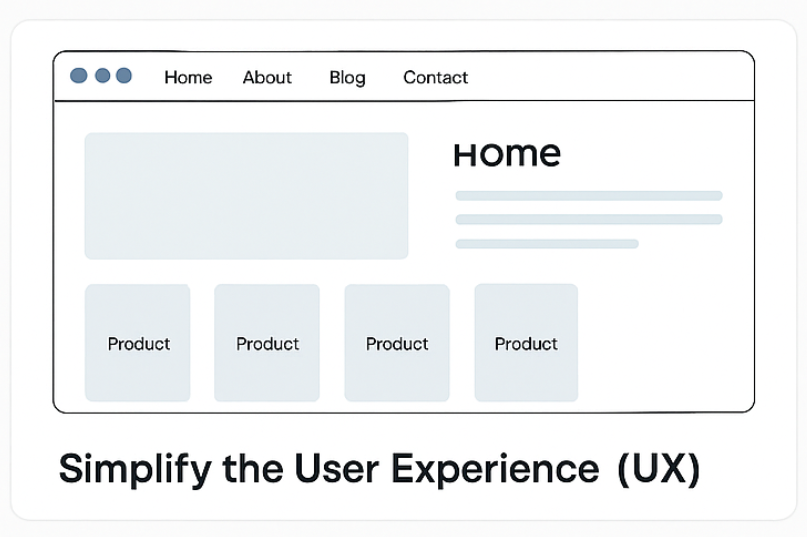
1. Simplify the User Experience (UX)

Great ecommerce websites prioritize ease of use above all else. Your visitors should never have to think twice about where to go, what to click, or how to find what they need.

Here’s how to improve UX:

  • Use clean, clutter-free navigation with clear categories.
  • Offer a prominent search bar—especially for larger stores.
  • Avoid distractions like excessive pop-ups or banners.
  • Make sure every page loads quickly, ideally under 2 seconds.
  • Use consistent branding and intuitive layouts.

Bonus tip: A/B test different homepage layouts to identify what increases engagement.

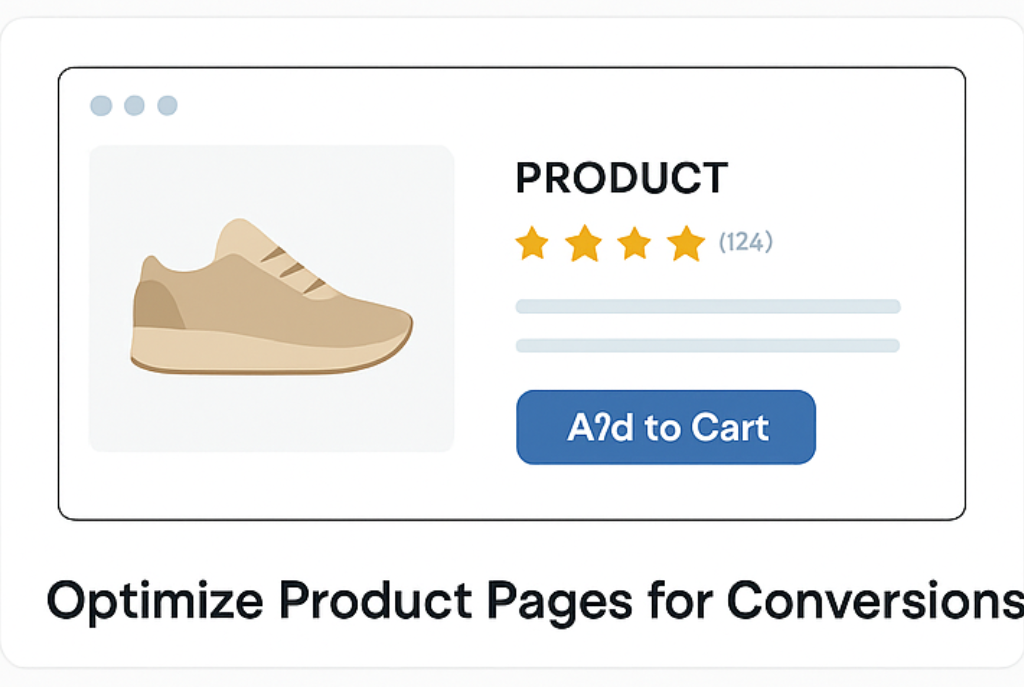
2. Optimize Product Pages for Conversions

Your product pages are your best salespeople—but only if they’re built to persuade.

What your product pages need:

  • High-quality images (including zoom, 360° views, or videos)
  • A clear headline that communicates the product’s value
  • Detailed but scannable descriptions—use bullet points to highlight features and benefits
  • Pricing that’s easy to spot
  • Visible stock status and delivery time

Also, make sure your “Add to Cart” button is in a prominent position and uses a contrasting color to draw attention.

3. Build Trust Through Social Proof

Trust is the foundation of every sale. New visitors are more likely to convert when they see that others trust your brand too.

You can build credibility with:

  • Customer reviews and testimonials
  • Star ratings on each product
  • A “Featured In” section with press mentions or influencer endorsements
  • User-generated content (like photos or videos from real customers)
  • Guarantees (e.g., “100% Money Back” or “Free Returns”)

Pro tip: Implement review schema markup so Google can display ratings in search results.

4. Use Strong and Clear CTAs

Your call-to-action (CTA) buttons guide users toward conversions. If your CTAs are weak, generic, or hard to find, your potential customers may abandon the process.

Make your CTAs:

  • Action-oriented (e.g., “Buy Now,” “Start Free Trial,” “Claim Your Discount”)
  • Visible—use color contrast to make them pop
  • Consistent across product and category pages
  • Placed above the fold on mobile and desktop

Every CTA should answer the question: “What’s the next best action I should take?”

5. Optimize for Mobile Shopping

Over 60% of ecommerce traffic comes from mobile devices. If your site isn’t mobile-friendly, you’re leaving money on the table.

Ensure your mobile experience includes:

  • Responsive design that adapts to any screen
  • Touch-friendly buttons and dropdowns
  • Simplified mobile navigation
  • A mobile-specific checkout flow
  • Speed optimization (compress images, use lazy loading)

Tip: Use Google’s Mobile-Friendly Test to identify mobile UX issues.

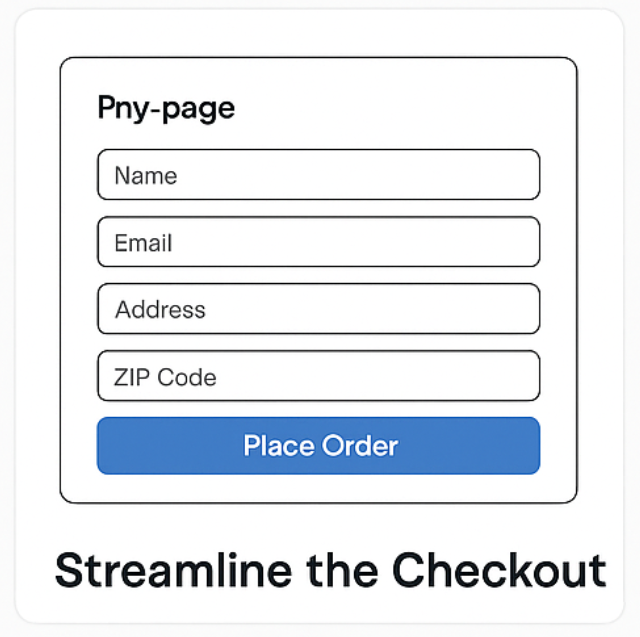
6. Streamline the Checkout Process

Many ecommerce stores lose customers right at the final stage: checkout. Even interested buyers will bounce if they face a clunky or confusing payment process.

Here’s how to streamline it:

  • Offer guest checkout—don’t force account creation.
  • Keep the number of form fields to a minimum.
  • Use a progress bar to show where users are in the process.
  • Offer multiple payment options—credit cards, wallets, cash-on-delivery.
  • Use auto-fill where possible to speed things up.

Reminder: Test your checkout on mobile too—most cart abandonment happens there.

7. Use Exit-Intent Offers & Retargeting

Sometimes users leave for reasons outside your control. That doesn’t mean you’ve lost them for good.

Catch abandoning visitors with:

  • Exit-intent popups offering a discount or free shipping
  • Email capture offers (“Sign up for 10% off”)
  • Retargeting ads on Google and Facebook
  • Abandoned cart emails with incentives to return

Smart timing and personalization are key here—don’t be too aggressive.

Bonus Tip: Analyze User Behavior with Heatmaps & Funnels

Want to know exactly where users drop off or lose interest? Use tools like Hotjar or Microsoft Clarity to view heatmaps and session recordings.

You’ll uncover:

  • Which sections people ignore
  • Where they click the most
  • Which fields cause form abandonment

This gives you data-backed insights to improve weak spots in your conversion flow.

Final Thoughts

Traffic without conversions is just noise. To build a profitable ecommerce business, you need a website that’s not only beautiful but also engineered to sell.

By applying these strategies for how to increase ecommerce website conversions, you’ll create a smoother, more persuasive, and more trustworthy experience for every visitor who lands on your site.

💡 Want a custom ecommerce site built to convert? Explore professional ecommerce web design services and turn your store into a conversion machine.

pexels-n-voitkevich-6214383

Key Ways to Measure Ecommerce Success Effectively

Running an ecommerce store involves more than just setting up a website and waiting for sales. If you want to grow, you need to know how to measure ecommerce success properly. Tracking the right data helps you understand what’s working, what’s not, and where you should focus next.

In this guide, we’ll break down the essential metrics every ecommerce owner must monitor.

Why Measuring Ecommerce Success Matters

Success in ecommerce doesn’t happen by accident. It results from making informed decisions based on real data. When you measure ecommerce success the right way, you can:

  • Identify your top-performing products.
  • Understand customer behavior.
  • Spot growth opportunities.
  • Make smarter marketing investments.
  • Improve your customer experience.

Without tracking key metrics, you’re flying blind. With them, you can confidently steer your business toward long-term growth.

1. Conversion Rate: The Heart of Ecommerce Success

Your conversion rate shows the percentage of visitors who complete a desired action, such as making a purchase. It’s one of the clearest indicators when you want to measure ecommerce success.

A healthy conversion rate often means your product pages, checkout process, and marketing efforts are aligned. Conversely, a low rate might signal issues in trust, pricing, or website usability.

Quick tips to boost conversions:

  • Simplify the checkout process.
  • Offer clear product descriptions.
  • Display customer reviews and ratings.
  • Optimize for mobile devices.

Tracking your conversion rate over time will help you quickly spot trends and opportunities for improvement.

2. Average Order Value (AOV): Increase Revenue Without More Customers

Another key metric when you measure ecommerce success is the Average Order Value (AOV). This tells you how much customers typically spend each time they shop with you.

Higher AOV means more revenue per transaction, boosting profits without increasing traffic.

To increase your AOV:

  • Bundle products together.
  • Upsell higher-end products.
  • Offer free shipping thresholds.
  • Suggest complementary products at checkout.

Even small increases in AOV can dramatically impact your bottom line.

3. Customer Retention Rate: Build Long-Term Growth

Acquiring new customers is essential, but keeping them is even better. Your customer retention rate shows how many customers return to buy again.

Businesses that focus on retention often outperform those that focus solely on acquisition. Repeat customers spend more, refer friends, and are easier to market to.

Ways to boost customer retention:

  • Send personalized email follow-ups.
  • Launch loyalty programs.
  • Provide exceptional customer service.
  • Offer exclusive discounts to returning shoppers.

When you measure ecommerce success, never overlook the value of a loyal customer base.

4. Customer Lifetime Value (CLV): Know What a Customer Is Worth

Customer Lifetime Value (CLV) estimates the total revenue a business can expect from a single customer throughout the relationship.

Knowing your CLV helps you decide how much you can afford to spend on marketing and customer service. If your CLV is high, you can invest more confidently in growth strategies.

To increase CLV:

  • Provide consistent value through content and support.
  • Offer subscription services or memberships.
  • Regularly engage customers with targeted offers.

Understanding CLV is crucial when you want to measure ecommerce success accurately.

5. Website Traffic Sources: Know Where Your Visitors Come From

Tracking how visitors find your website is vital. Whether through social media, search engines, email campaigns, or referrals, knowing your traffic sources allows you to allocate marketing budgets more efficiently.

Traffic source breakdown includes:

  • Organic search
  • Paid ads
  • Email marketing
  • Direct visits
  • Social media referrals

Analyzing this data can reveal which channels deliver the best ROI. It’s a smart move to regularly check your website analytics and adapt your strategies accordingly.

Bonus Tip: Monitor Ecommerce Metrics with Expert Help

Tracking all these metrics can feel overwhelming at first. However, using the right tools and expert guidance can simplify the process.

For professional ecommerce solutions that help you better measure ecommerce success, you can explore Fajri’s ecommerce services. Their expertise ensures your business decisions are always backed by real, actionable insights.

Final Thoughts: Start Measuring, Start Growing

Success in ecommerce isn’t about guessing. It’s about tracking, analyzing, and acting on real data. When you measure ecommerce success with the right metrics, you set your business up for sustained growth and profitability.

Remember to monitor your conversion rates, average order value, customer retention, lifetime value, and traffic sources regularly. Small improvements across these areas can lead to massive gains over time.

Ready to take your online store to the next level? Start measuring today and watch your ecommerce success unfold.

Pro Tip: Need help setting up your ecommerce analytics? Visit Fajri for professional support tailored to your business goals.

pexels-karolina-grabowska-5632402

What Is an Ecommerce Platform and Why Should You Use One?

In today’s digital-first world, launching an online business has never been easier—or more essential. Whether you’re a small business owner or an aspiring entrepreneur, understanding what an ecommerce platform is and how it benefits your business is key to staying competitive and scaling with confidence.

Understanding the Basics

At its core, an ecommerce platform is a software application that allows businesses to manage their online store. It handles everything from website creation and product listings to payment processing and inventory management.

Think of it as your digital storefront combined with a powerful backend system. Platforms like Shopify, WooCommerce, Magento, and BigCommerce help you sell products or services online without needing to build every component from scratch.

Why You Should Consider One

Still unsure if it’s worth investing in an ecommerce platform? Let’s break down the benefits:

1. Simplifies Business Management

  • You can manage orders, inventory, customers, and sales from a single dashboard.
  • Automation features reduce manual work, so you can focus on growth.

2. Scalability for Future Growth

As your business grows, so do your needs. Ecommerce platforms are built to scale with you—whether you’re adding new products, expanding to international markets, or launching marketing campaigns.

3. Secure Payment Integration

These platforms support secure, seamless payment options, including credit/debit cards, PayPal, Apple Pay, and more—building customer trust and improving checkout experience.

4. SEO & Marketing Tools Built In

Modern ecommerce platforms come equipped with tools that help boost your visibility in search engines. From customizable URLs to blog integration and meta-tag editing, you get the tools you need to bring traffic to your store.

💡 Want to improve your ecommerce website or build one from scratch? Fajri offers custom ecommerce development services that make your platform not only functional but future-ready.

Choosing the Right Platform

Not all platforms are created equal. Consider the following when picking one:

  • Your budget and tech skills
  • Customization needs
  • Integration with other tools (CRMs, analytics, shipping, etc.)
  • Support and community resources

For example, if you want full control and have developer support, Magento might be a strong fit. On the other hand, if you’re looking for simplicity and speed, Shopify can get you selling in no time.

Final Thoughts

Using an ecommerce platform can be a game-changer. It gives you structure, support, and a solid foundation to launch, grow, and scale your online business. Instead of worrying about tech hurdles, you’ll be focusing on what really matters—delivering value to your customers.